
Networks
WiFi, fiber, cabling, switches and everything that keeps your network stable.
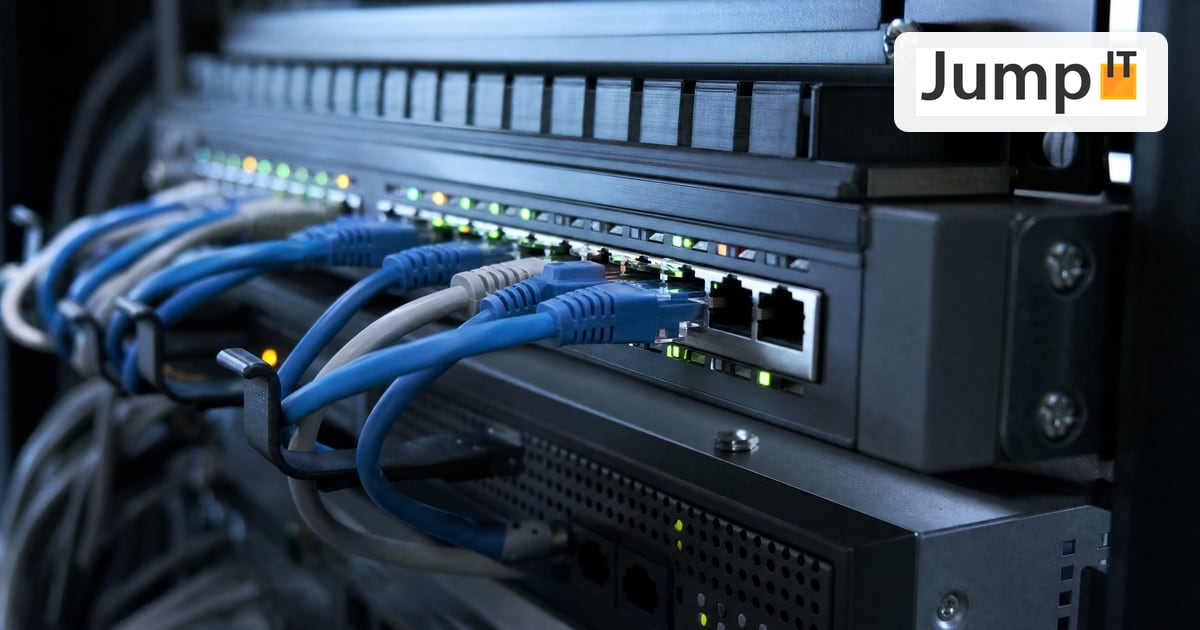
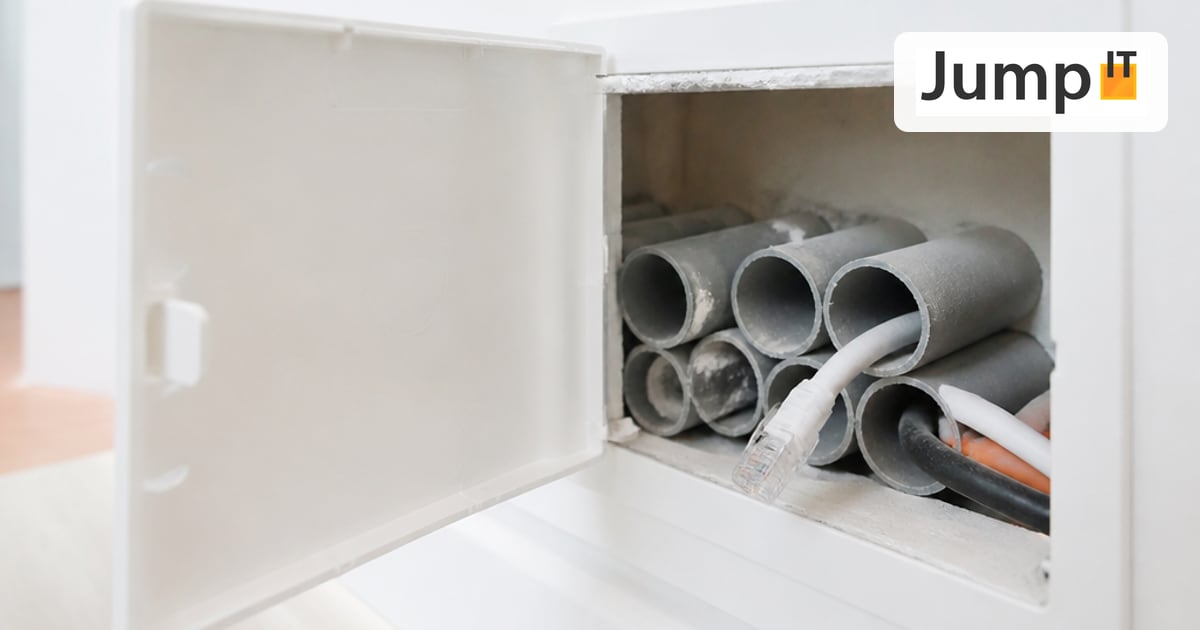 Retrofitting Network Cable: Is It Worth It?
Pros and cons of retrofitting network cable, the realistic effort, and how we find existing conduits with the Kati® Blitz Ortung 2.0 without opening the wall.
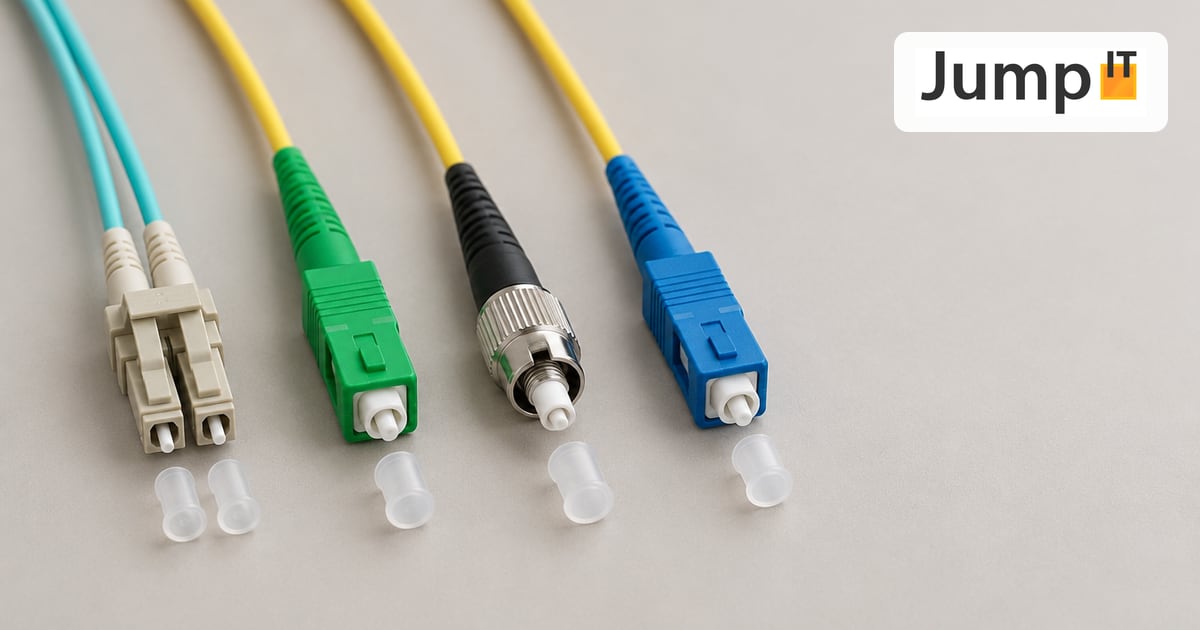 Fiber Types: OM1 to OM5, OS1/OS2, G.652.D and G.657
Multimode or singlemode? OM1 to OM5, OS1 and OS2, G.652.D and the bend-insensitive G.657.A1/A2 explained, with ranges, colors and an overview of SC, LC, FC, ST, E2000 and MPO connectors.
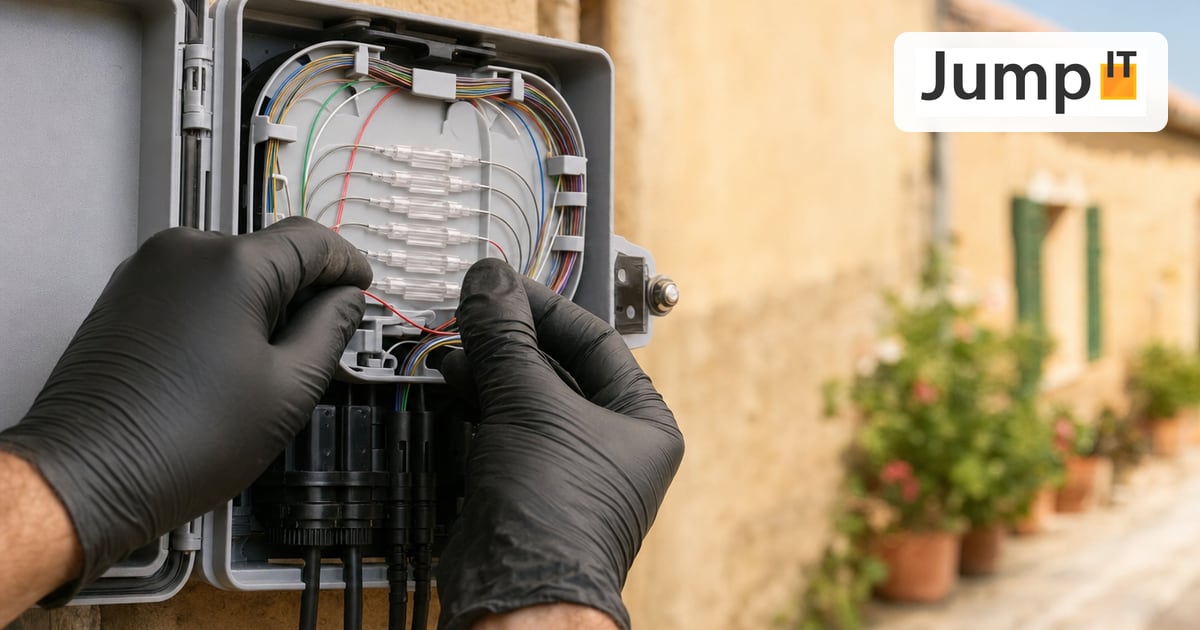 Fiber Optic Color Codes: Fiber Order Explained Simply
Red, green, blue or blue, orange, green? DIN/IEC 60304 vs. TIA-598 color codes, counting from fiber 13, loose tubes and connector colors, with tips for splicing and patching.
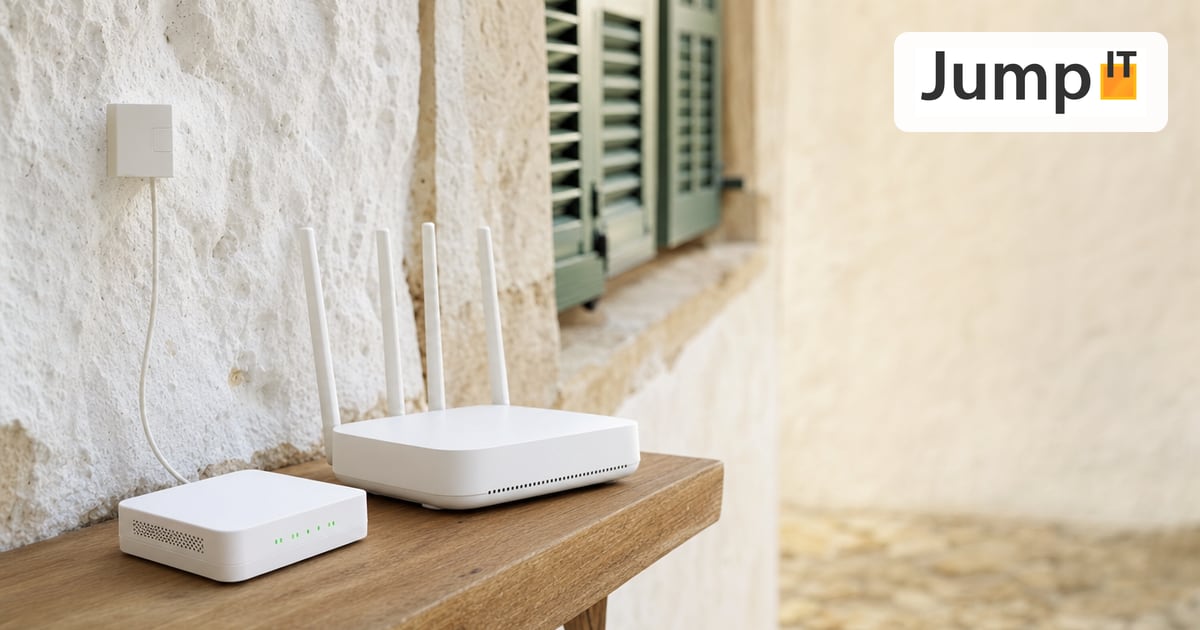 GPON and XGS-PON: What’s Behind Your Fiber Connection?
GPON or XGS-PON? How both fiber technologies work, what 1 and 10 Gbit/s really bring, which providers in Spain use what and where things stand on Mallorca.
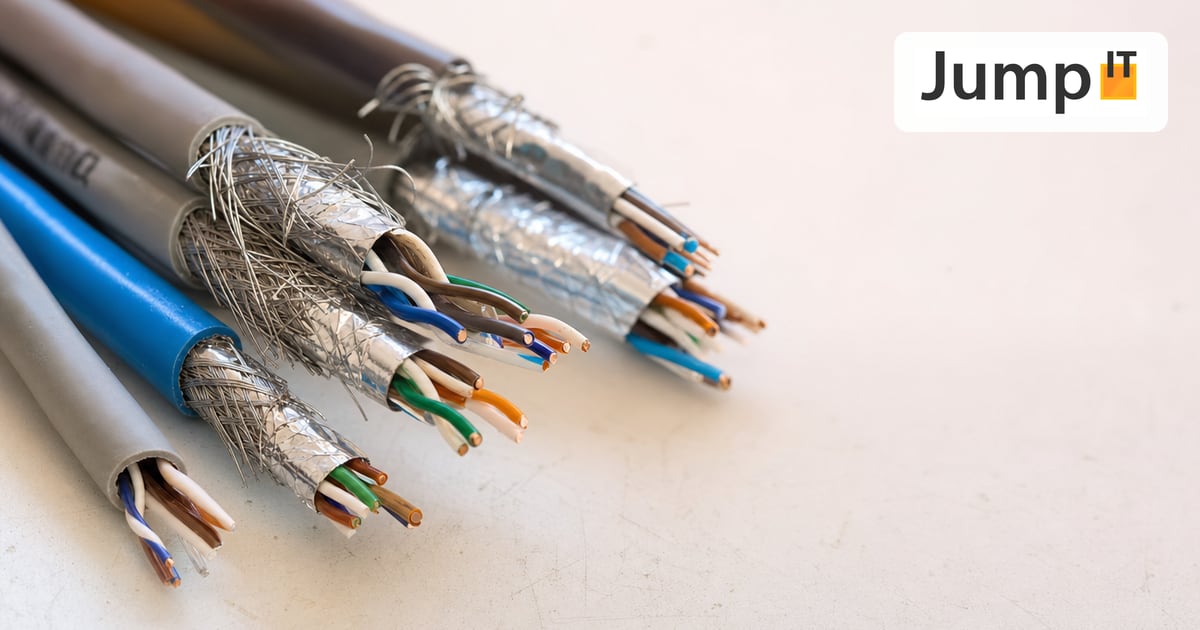 Ethernet Cables and Their Abbreviations
What UTP, F/UTP, F/FTP, S/FTP and SF/FTP mean on Ethernet cables: the different types of shielding and cable categories, explained in plain language.
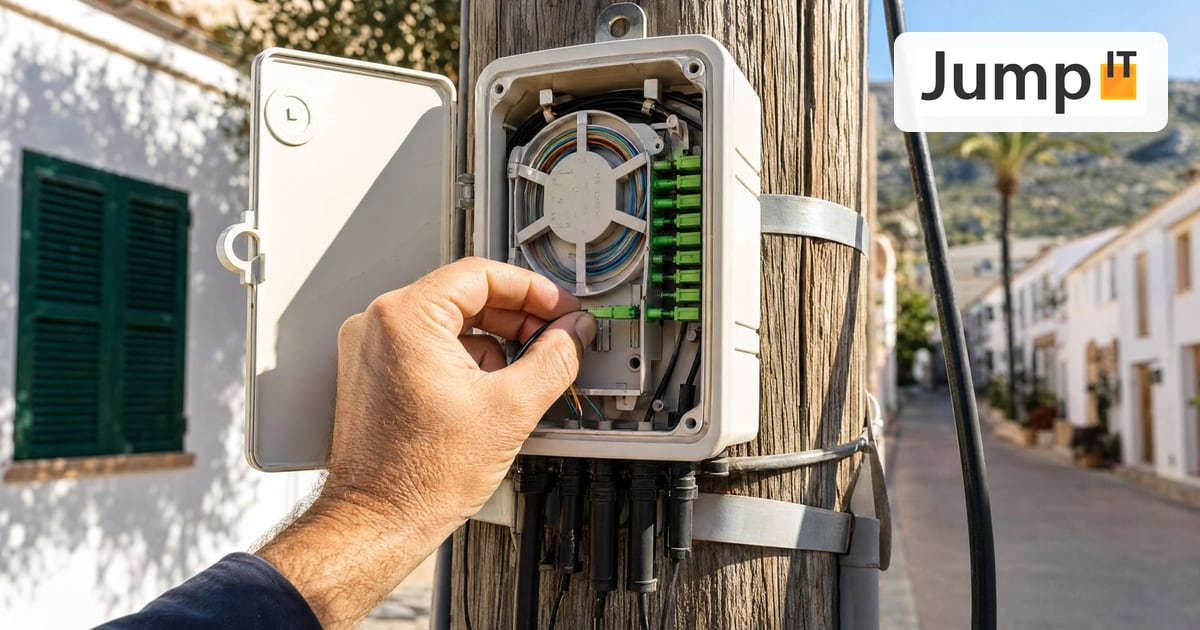 How Does Movistar’s Fiber Network on Mallorca Work?
From the undersea cable near Palma to the router in your living room: OLT, splitter, CTO box and PTRO explained simply, and how Movistar fiber (GPON) works technically on Mallorca.
 WiFi Cameras: An Honest Look at the Pros and Cons
Security cameras over WiFi instead of cable: advantages, image quality limits, and whether battery plus solar panel work reliably in Mallorca.
 Internet Blocking in Spain: Why Websites Stop Loading on Mallorca
What is behind the Spanish LaLiga IP blocks, whether Starlink is affected, and how to protect your network on Mallorca.
 Starlink + VPN + Netflix: Why Streaming Stutters
Starlink has plenty of bandwidth, yet your 4K stream stutters over VPN. The cause: CGNAT, double NAT, the VPN protocol and IPv6 leaks.
 VLANs Explained: Why Your Network Should Really Be Several Networks
VLANs split one physical network into several logical ones: more security, less broadcast noise and a clean separation of guest and IoT devices.
 What Is PoE (Power over Ethernet)? Power and Data Over One Cable
Learn how PoE (Power over Ethernet) delivers power and data over a single cable, from the IEEE standards to budget planning in UniFi networks.
 The OSI Model: Why the Internet Is Like an Onion
The OSI model splits networks into 7 layers, from the cable to the application. Why do pros talk about Layer 2 problems? Explained simply.
 Repeater vs. Mesh: Explained Simply (and Honestly)
Repeaters, mesh and network cable in an honest comparison. Why repeaters are only a stopgap, when mesh makes sense and why a cable always wins.
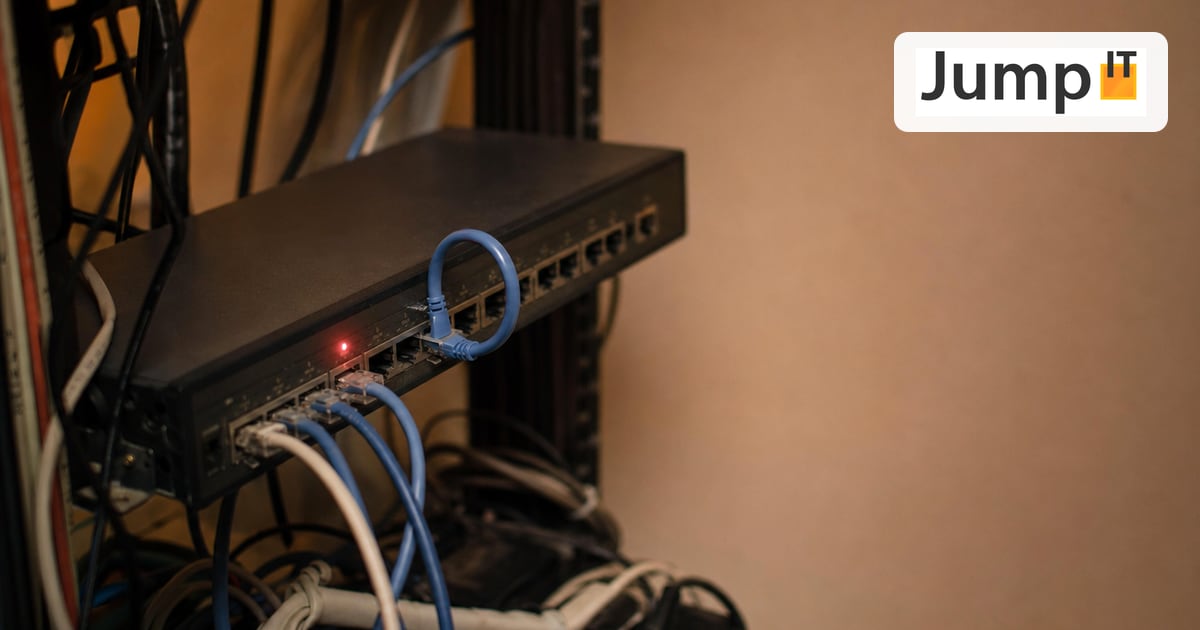 Spanning Tree Protocol (STP): No More Network Loops
Switches wired in a circle cause broadcast storms and bring the network down. The Spanning Tree Protocol (STP) prevents loops on Layer 2.
 Crosstalk in Network Cables: What Does It Actually Mean?
Crosstalk is one of the most common causes of unexplained network problems. What is behind it, how it arises and how to reduce it.
 Sonos on a UniFi Network: Why It Struggles and How to Fix It
Sonos and UniFi often don't get along. Why Sonos runs unstably on UniFi networks, which settings help and whether a dedicated WiFi network makes sense.
 Why the VPN "Works" but Email and Apps Still Fail
Many customers want a fixed German IP abroad. Why VPN connections often only seem to work, and which architecture is truly stable.
 UniFi vs. FRITZ!Box: Which Fits Your Home?
UniFi or FRITZ!Box? A clear comparison of WiFi coverage, setup, cost and updates, plus a guide to when switching is worth it.
 Why a Single Access Point Often Isn't Enough for a House or Finca
A single access point often hits physical limits in a house or finca. Why an active system like UniFi is the better choice.
 Fiber in Spain: Movistar, Orange, Vodafone, IBRED & Connectabalear
How fiber (FTTH) works in Spain and how Movistar, Orange, Vodafone and regional providers like IBRED and Connectabalear differ.
 Which Network Cable Is Suitable for What
The CAT 5e, CAT 6, CAT 6a and CAT 7 categories at a glance, with their transmission rates, frequencies and suitable uses.
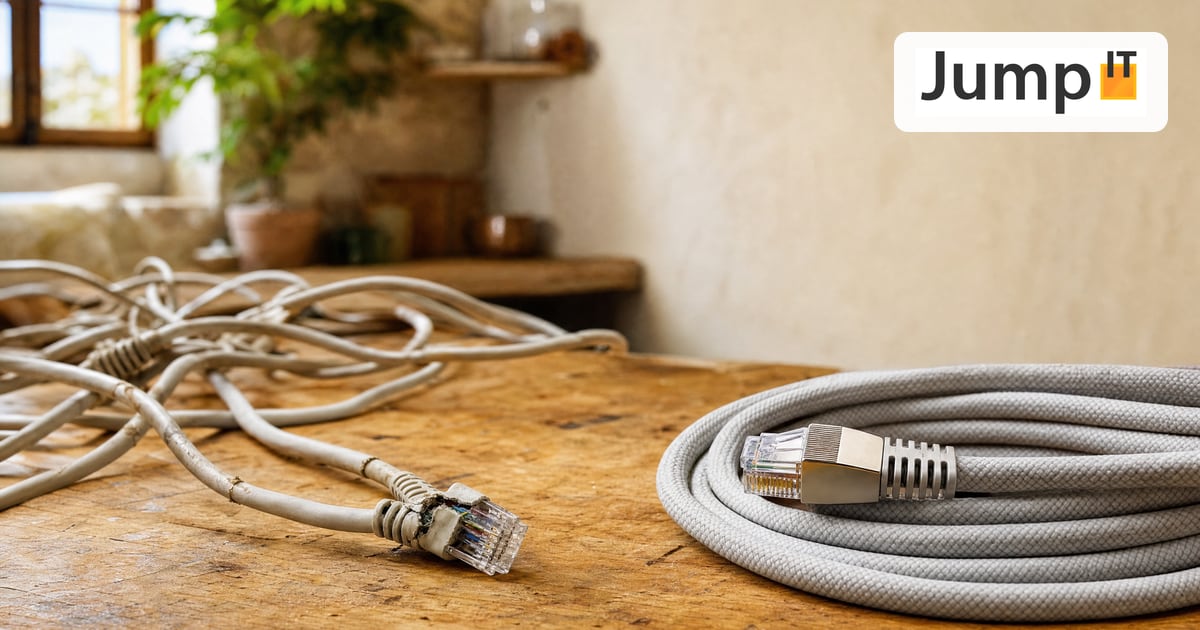 Why Does Cheap Network Cable Often Cause Problems?
Cheap no-name cables often fail to meet their category specifications. Which quality defects lead to dropped connections and slow networks.